
 PH
PH
 IND
IND
 ID
ID
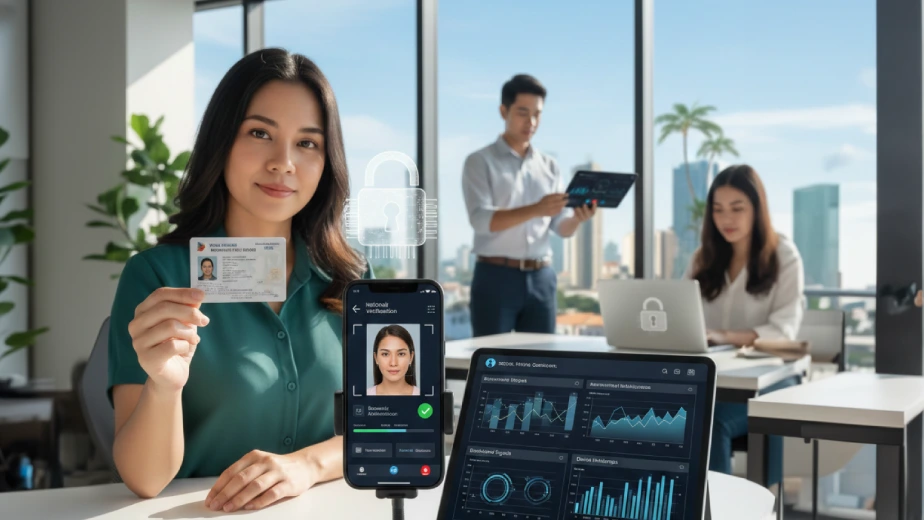
Filipinos are becoming increasingly comfortable with digital services. Whether it's paying bills, joining a new app, or applying for financial products. Digital journeys are part of their daily life now. However, as our digital footprint expands, so does the risk around digit identity, and how we verify who we say we are.
Identity isn't just a name on a screen. It's the foundation of every digital interaction. When that foundation isn't rock-solid, the consequences ripple through trust, security, and personal confidence.
This blog explores why trust matters in identity verification, especially in the Philippines, and how effective digital identity verification can make a tangible difference in protecting individuals and businesses from fraud, data misuse, and deception.
The Rise of Identity Fraud in the Philippines
In recent years, the Philippines has seen a dramatic climb in fraud cases tied to identity misuse. According to a study by Sumsub, identity fraud cases in the country shot up by an alarming 119% in a single year, placing the Philippines among the highest in Asia Pacific for such incidents.
This steep increase isn't just a statistic; it reflects how bad actors are evolving and targeting systems and people in new ways. When fraud is successful, it often begins with a compromised or misused digital identity or online identity. Criminals leverage stolen or fabricated personal information to impersonate real users, opening bank accounts, gaining access to sensitive systems.
Another layer of concern comes from AI-powered synthetic identity fraud, where artificial intelligence is used to generate entirely new identities by combining real and fake information. In the first quarter of 2025, synthetic identity document fraud surged by nearly 291% compared to the previous year, far exceeding the Asia-Pacific average.
These trends underline a harsh reality: traditional verification methods are no longer enough on their own. As digital services proliferate, fraud tactics adapt faster, making trust in identity verification more essential than ever.
What Identity Verification Really Means
At its core, identity verification is the process of confirming that a person is who they claim to be. When it's done right, it ensures that your digital identity, your presence and identity online, cannot be easily copied, stolen, or spoofed.
Good digital identity verification blends several elements:
Document verification: Checking government-issued IDs and other proofs against reliable sources.
Biometrics: Using facial recognition, fingerprints, or liveness checks to match a person to a document.
Behavioural signals: Monitoring how people interact with systems for signs of genuine versus fraudulent behaviour.
Device and network context: Understanding whether a login attempt is coming from a familiar device or location.
When you combine these signals, verification becomes stronger and more reliable, making it harder for fraudsters to impersonate someone's online identity.
Why Trust Matters
Trust isn't a buzzword; it's the currency of digital interactions. Imagine signing up for a loan on your phone without ever stepping into a branch. Now imagine that loan being approved based on a fake identity created by a fraudster. Millions of pesos could be lost, and real victims left with the consequences.
This is why trust matters:
Preventing Financial Loss
Fraud tied to identity misuse isn't just a theory; it has real costs. A separate TransUnion study showed that in 2024, Filipinos lost an average of about PHP 44,700 due to fraud schemes. When criminals can easily misuse someone's digital identity, individuals and businesses suffer immediate financial harm.
Protecting Personal Reputation and Privacy
Identity theft doesn't stop at financial loss. Victims often face long-term consequences, including credit damage, emotional distress, and weeks or months spent restoring trust in their identity.
Maintaining Confidence in Digital Services
When people lose faith in digital platforms because of fraud, usage drops. Whether it's mobile banking, e-commerce, or online health services, trust drives adoption. Without robust identity verification, users are less likely to engage with digital tools, slowing down inclusion and innovation.
Enabling Regulatory Compliance
In the Philippines, laws like the Cybercrime Prevention Act and the Data Privacy Act seek to protect citizensʼ data and penalize misuse. But laws alone cannot stop fraud if identity verification is weak. Strong verification systems are both a compliance requirement and a user expectation.
Trust matters because every time someone feels safe sharing their personal details, even sensitive ones, it enables more seamless, secure, and frictionless digital experiences without fear of exploitation.
Challenges in Verifying Digital Identity Today
Even with advanced technology, there are still gaps in how identity is verified online:
Growing Sophistication of Fraud
Fraud isnʼt static. AI tools enable criminals to create convincing fake documents or deepfake videos that can fool traditional checks. This makes it harder to rely solely on visual inspection or simple authentication.
Fragmented Systems
Different services often perform verification in isolation. Banks, telcos, government IDs, and fintech platforms may each have their own checks, leading to inconsistencies and vulnerabilities.
User Resistance to Friction
People want secure interactions, but they also want fast ones. Balancing strong identity confirmation with ease of use is a delicate process, especially when trust must be preserved without creating too much friction.
The Role of Digital Identity Verification in Building Trust
Getting identity verification right isnʼt just about stopping fraud; itʼs about giving people confidence that their online identity wonʼt be misused. When Filipinos feel that digital services truly protect their identity, they are more likely to embrace digital transformations wholeheartedly.
Some key elements that help build trust through identity verification include:
Holistic Verification Approaches
No single check is enough. Combining document authentication, biometrics, behavioural signals, and device intelligence creates a layered defence that is much harder for fraudsters to bypass.
Transparency and Explainability
Users need to understand why verification steps are necessary. Clear communication about how their data is used builds confidence and reduces anxiety.
Continuous Monitoring
Trust doesnʼt end once identity is verified. Ongoing monitoring for unusual activity helps catch fraudulent behaviour early and protects users over time.
Why IDfy Values Trust Especially in the Philippines
At IDfy, trust isnʼt just a feature; itʼs the foundation of what we build. Filipinos are increasingly adopting digital services, from mobile banking to e-commerce, telehealth to online education. However, as the digital economy grows, so do threats to digital identity and online identity security. IDfy believes that trust is the bridge that connects peopleʼs confidence with the digital services they use every day.
Trust in identity verification doesnʼt come from technology alone. It grows from responsible design, transparent practices, and solutions that respect usersʼ data while keeping it secure. IDfyʼs approach emphasizes
Privacy-first systems that protect personal data.
Explainable processes so users know what's happening and why.
Adaptive verification that evolves with threats.
Local relevance by tailoring solutions to markets like the Philippines, where digital fraud is rapidly rising.
In a world where identity fraud is increasing by double digits, trust becomes not just a competitive advantage, but it becomes essential for survival in the digital economy.
The Future: Trust-Driven Digital Identity
As more services go digital, trust in identity verification will determine how comfortably people participate in the digital economy. When users feel assured that their personal information is not just collected but also protected, digital adoption can continue without fear.
Thatʼs why businesses and regulators alike need to work toward stronger, transparent, and user-centric verification standards. The future of digital identity isnʼt about certificates and IDs alone, itʼs about confidence, safety, and respect for individuals.
Conclusion
Trust matters. It matters when you sign up for a new service. It matters when you connect your financial information. It matters when you share a photo of your ID or prove who you are online. Effective identity verification doesnʼt just stop fraud; it helps build a digital environment where people feel secure, respected, and confident.
If your business or platform is looking to strengthen digital identity verification while building real trust with users, IDfy can help. Reach out to the IDfy team at emily@idfy.com to start the conversation about securing digital identities today.