The Trust Gap in the
Gig Economy
Exposing the true scale of fraud in India's workforce
The gig economy has changed our consumption patterns
becoming an integral part of everyday life. From late-night food deliveries
and instant electronics, it has fundamentally reshaped urban living.
At the heart of this transformation are millions of gig workers powering
the instant convenience ecosystem, a workforce that stood at
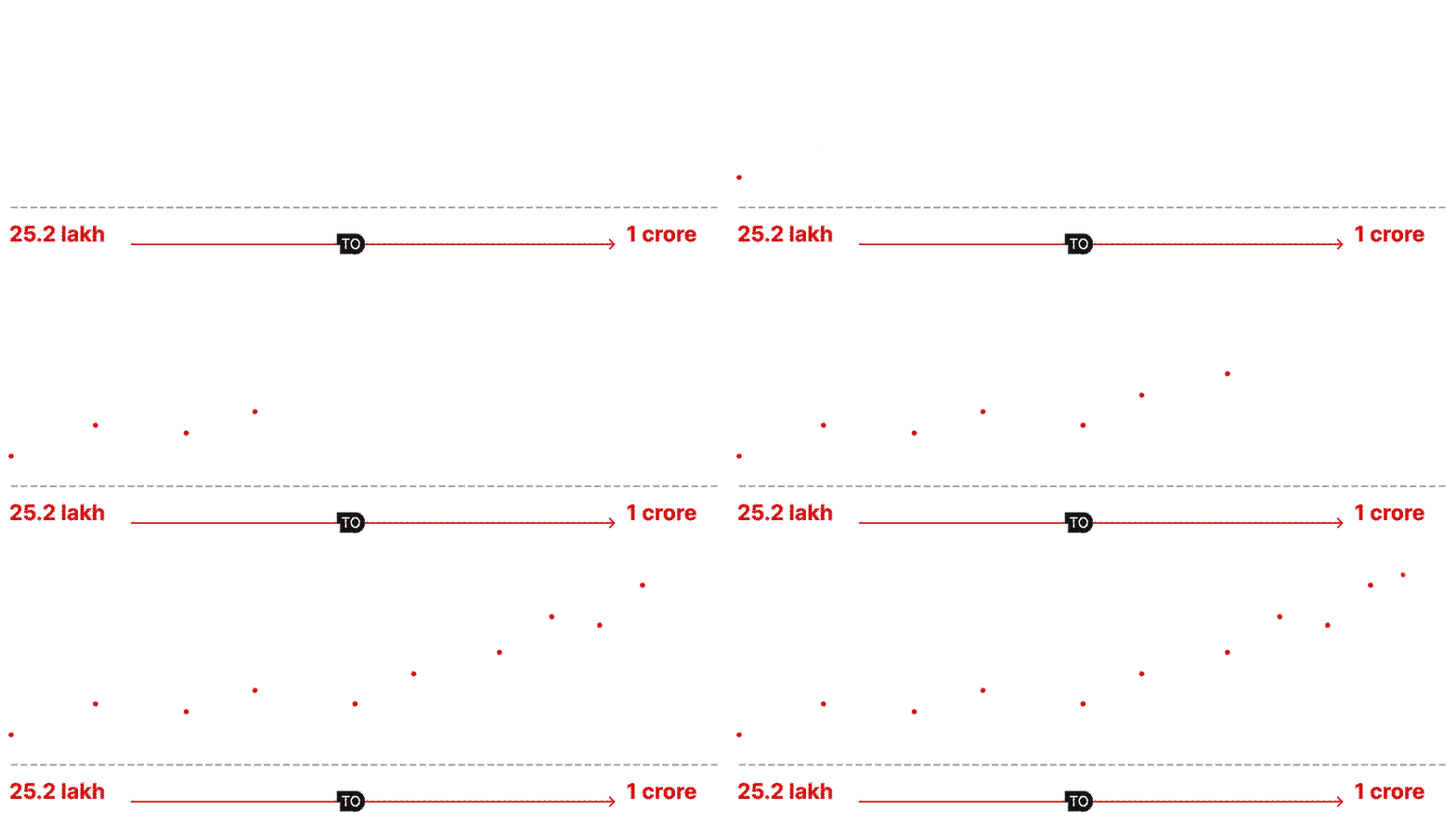
0M in 2020 and is expected to exceed 0M by 2030.
The biggest risk
still remains...
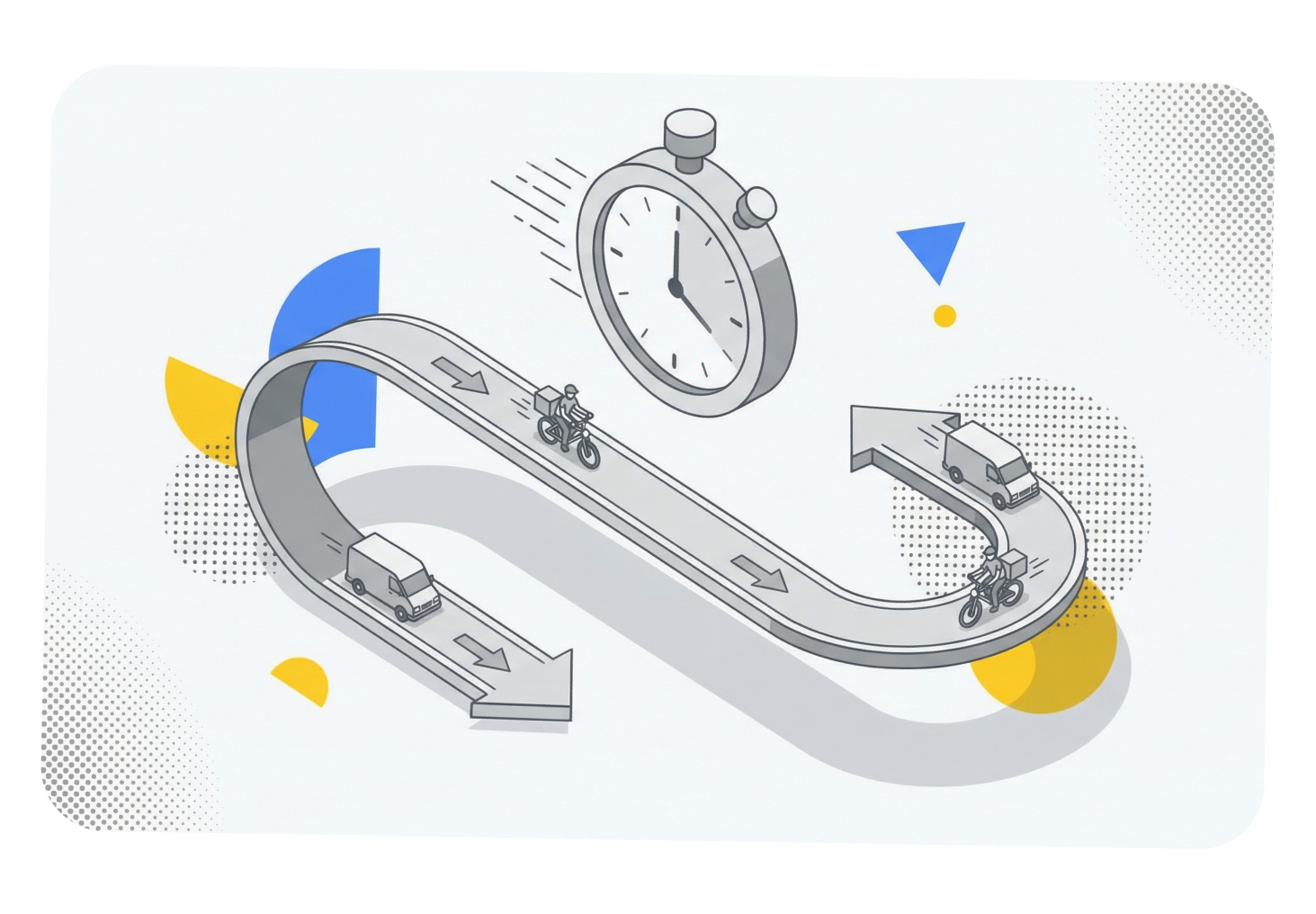
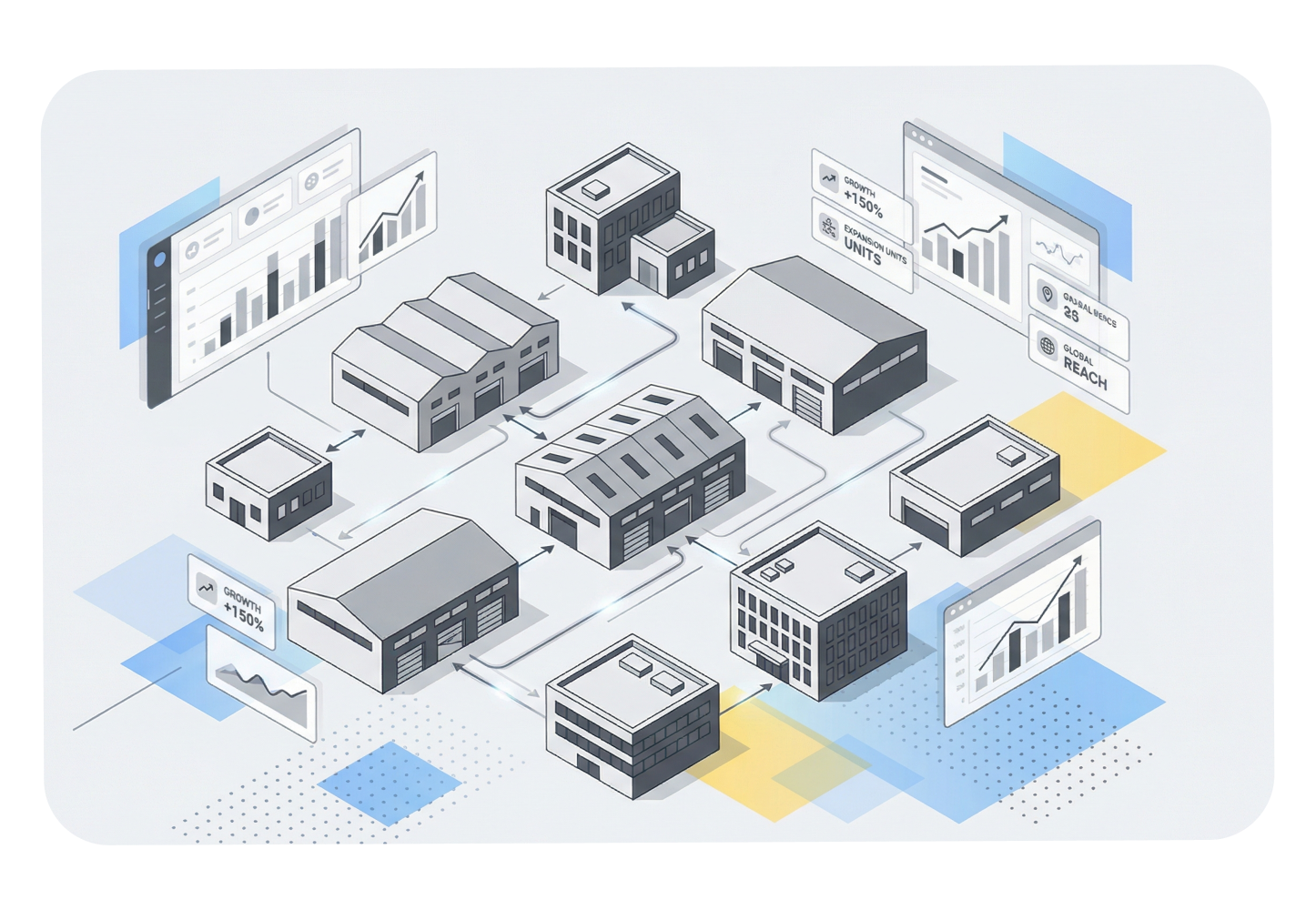
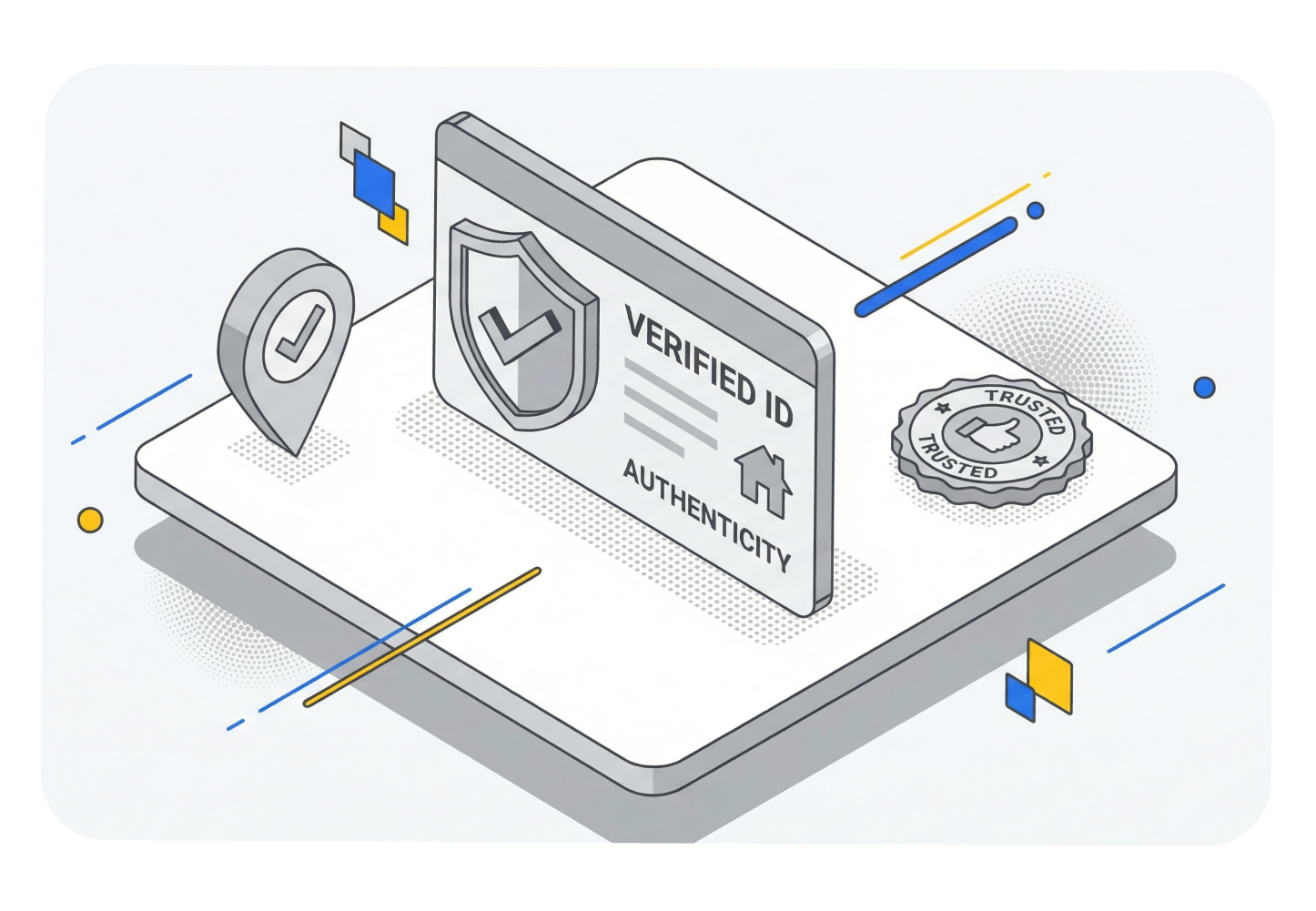
The three pillars of the gig economy
When e-commerce first entered India, people were reluctant to buy expensive
things online. Today, however, these platforms have earned widespread trust.
is all it takes to undo years of hard-earned customer confidence.
Why we put this report together
We analyzed over
Background
Verifications
conducted last year to build this report,
With the aim of
- Understanding the fraud-prone segments of the gig economy workforce
- Examining structural blind spots in the current risk assessment processes
- Quantifying these blind spots, uncovering fraud patterns, and highlighting where risk is quietly concentrating
- Covering real-life fraud stories that IDfy witnessed last year
The Workforce
Behind Every Order
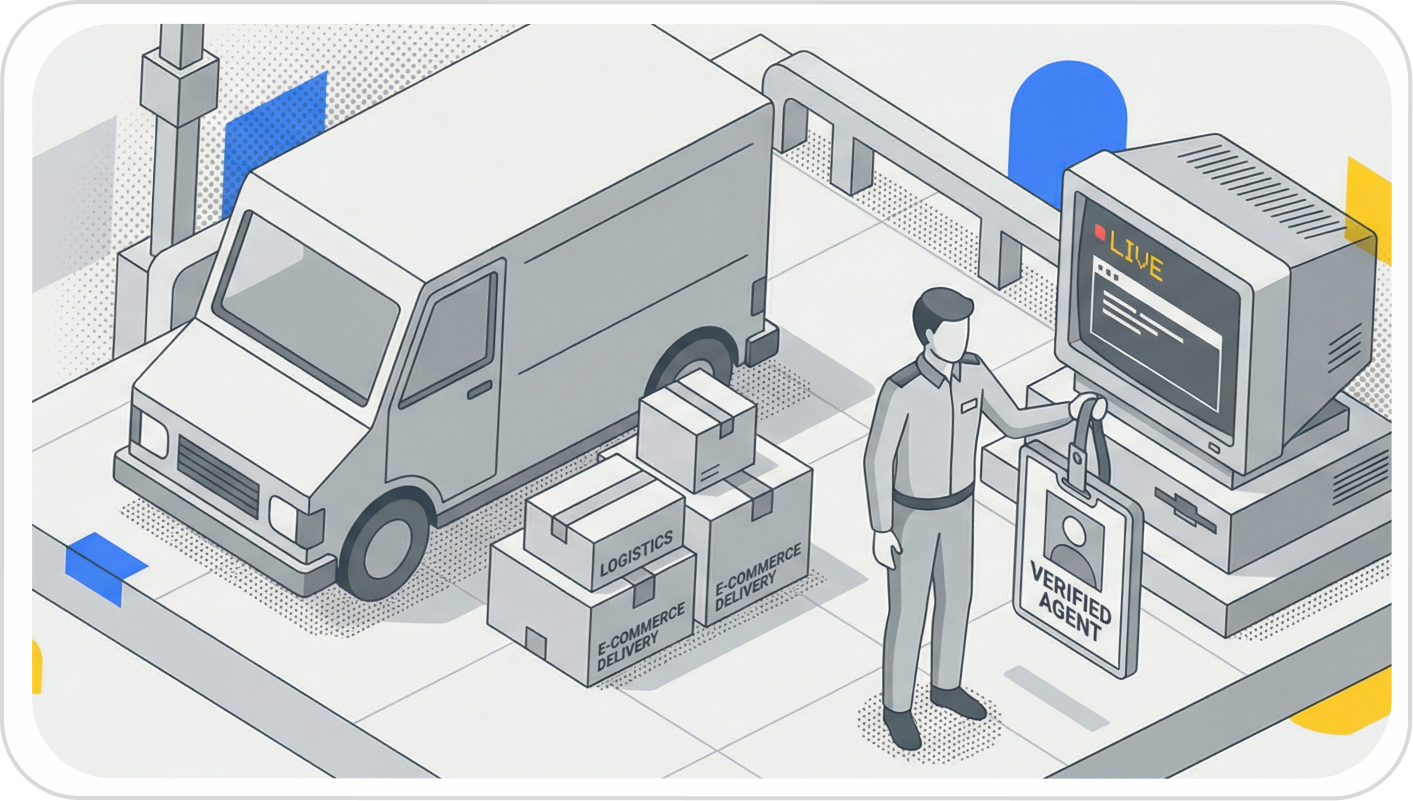
India's doorstep economy operates at the intersection of logistics, technology, and human workforce. But that wasn't the case 15 years ago. Let's look at how the gig economy evolved with various business models over the last 3 decades.
Sources: KearneyYoung Urban ProjectShiproket
The first online shopping platform gained traction.
Workforce Enabler
Courier services
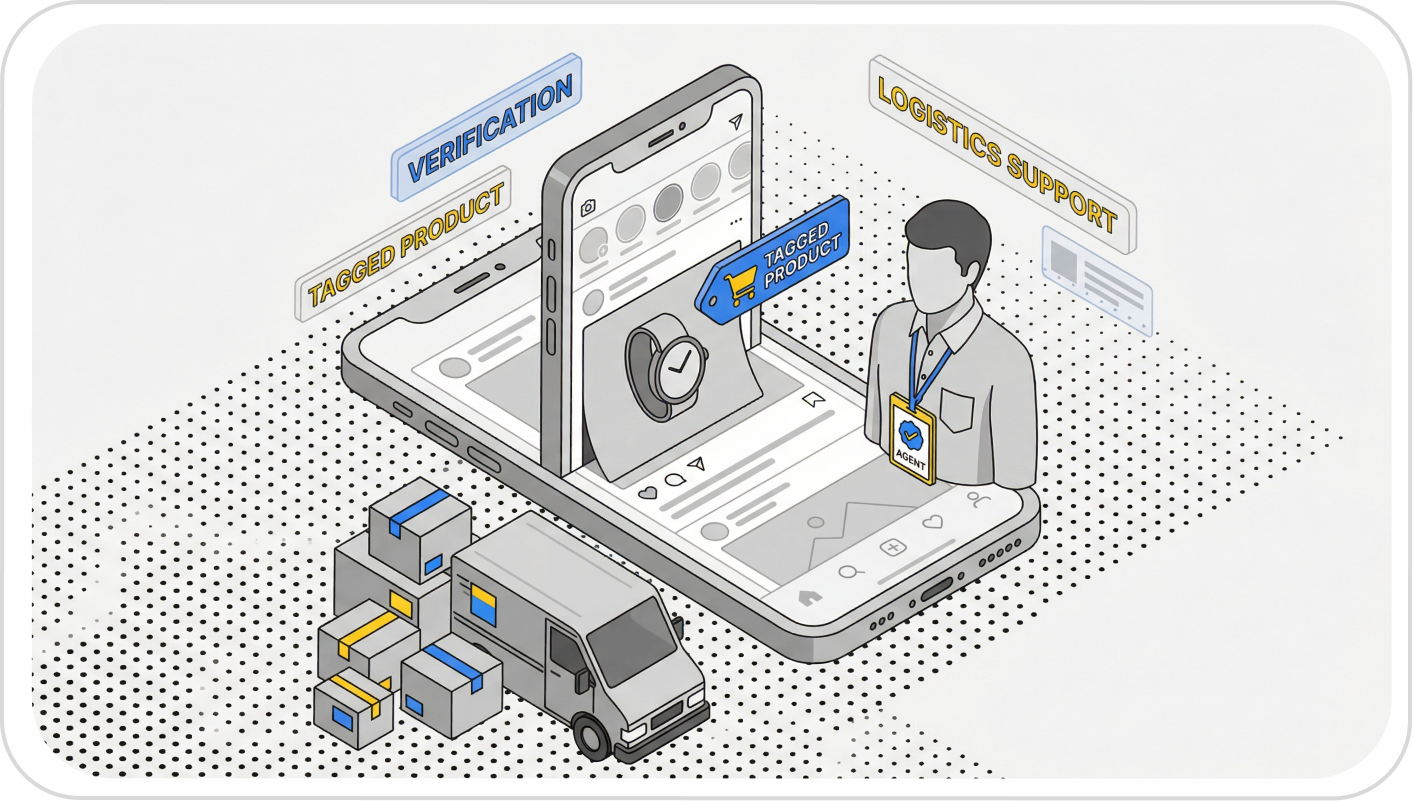
A social media platform introduced shoppable tags, where people could directly sell on the platform.
Workforce Enabler
Fleet operators
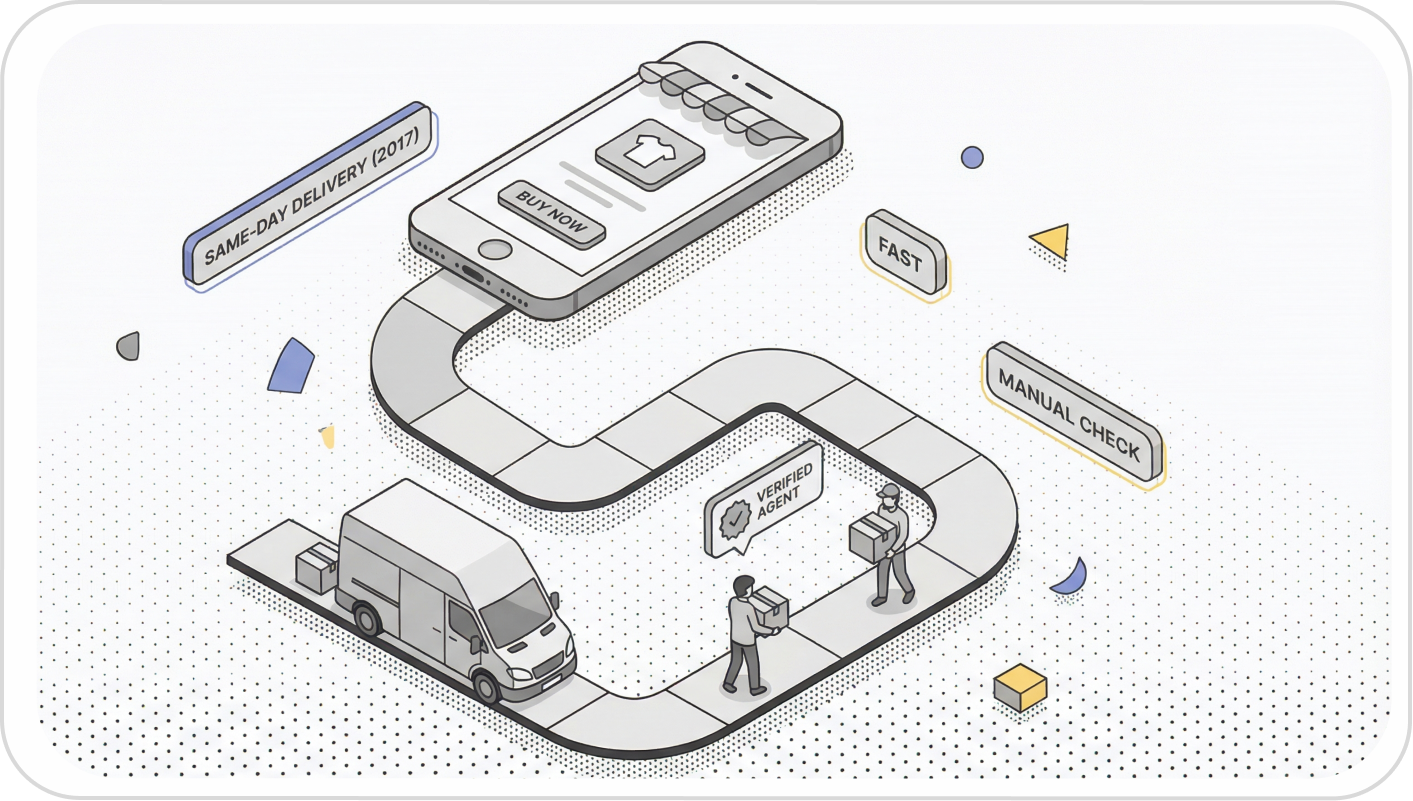
E-commerce platforms offered same-day delivery services to compete on speed and reach. Premium members.
Workforce Enabler
Fleet operators + delivery drivers
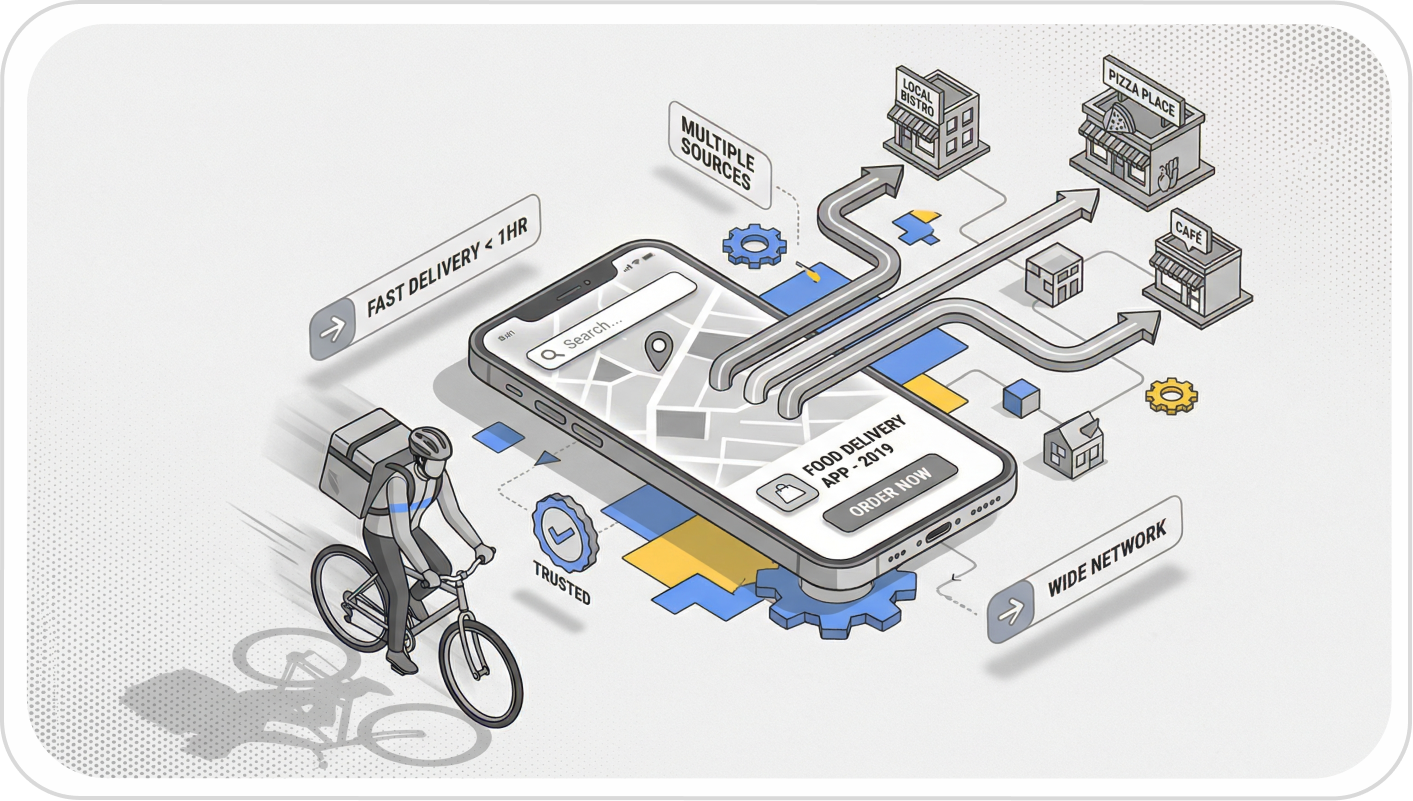
Food delivery platforms competed for speed promising delivery in 10–15 minutes from micro-fulfillment centers.
Workforce Enabler
Delivery Partners + Dark stores
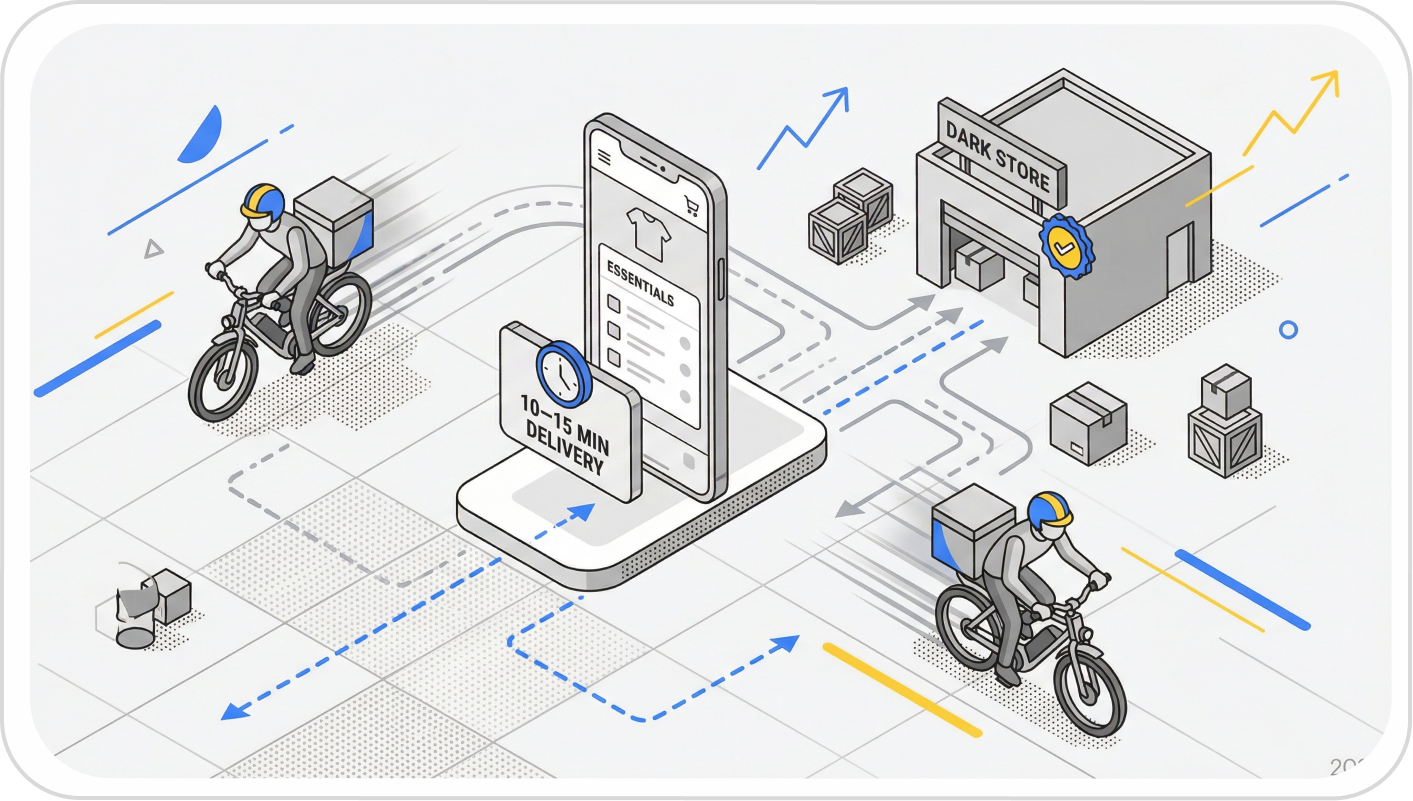
Quick commerce gained popularity for providing sub-15 minute delivery for premium products.
Workforce Enabler
Delivery Partners + Dark stores
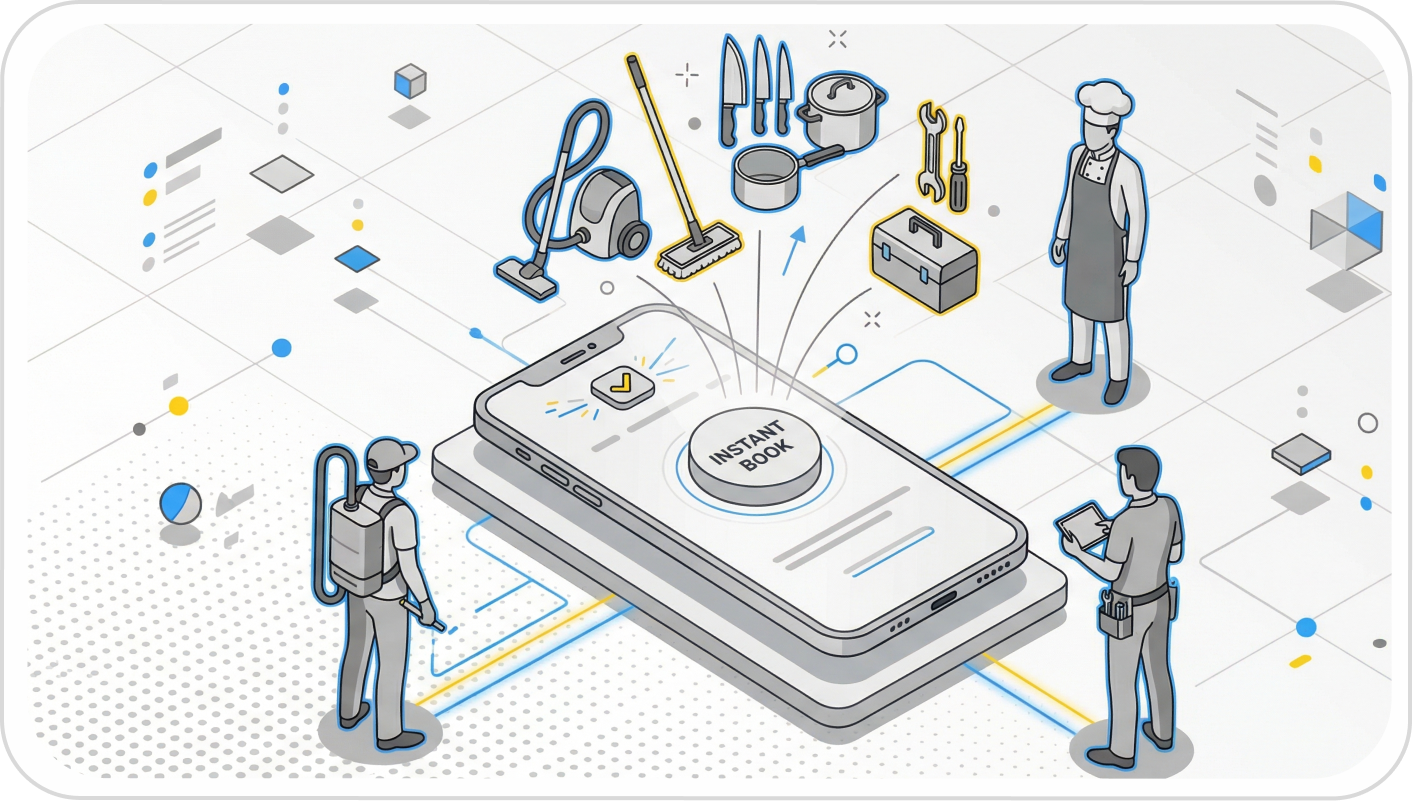
On-demand services (cleaning, cooking, etc) can be booked instantly.
Workforce Enabler
For everything instantly
The people who
powered this evolution
The gig workforce spans the entire supply chain, from first-mile operations to last-mile delivery.

• Warehouse pickers
Responsible for sorting goods at origin warehouses before dispatch.
• Dark-store associates
Operate out of high-density storage units in residential clusters.

What the data reveals

Which segments are the most risk-prone?

Where are the risk hotspots across the country?

What correlations exist between risk rates and other factors?
People In Focus



Geographic Risk Concentration
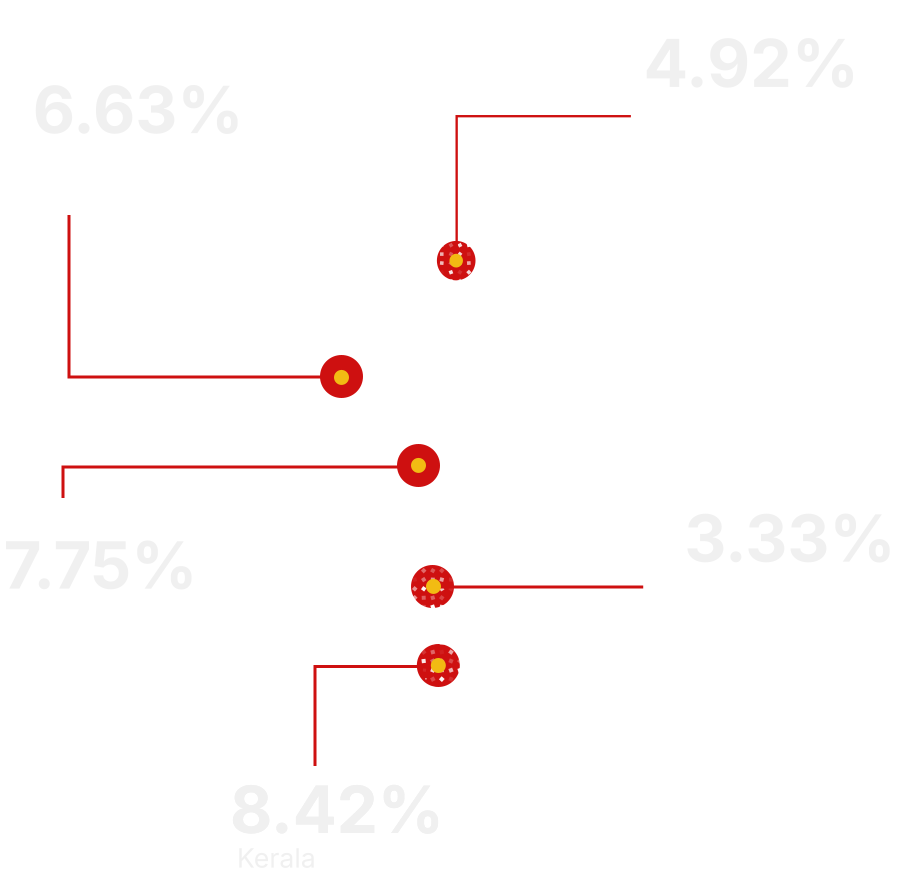
A breakdown of states with the highest risk rates across India.
Kerala records the highest risk rate in the country, with Maharashtra close behind, making them two of the highest risk concentration states across segments.
Another contributing factor behind this surge could be stronger crime reporting mechanisms in southern and western states. For example, in Kerala, many challans are automatically generated through AI-enabled monitoring cameras at traffic junctions.
Kerala records the highest risk rate in the country, with Maharashtra close behind, making them two of the highest risk concentration states across segments.
Another contributing factor behind this surge could be stronger crime reporting mechanisms in southern and western states. For example, in Kerala, many challans are automatically generated through AI-enabled monitoring cameras at traffic junctions.
E-commerce & Quick
Commerce Risk Hotspots
 Delivery
Partners
 Truck
TruckDrivers
Seasonal Risk Spikes
A cyclical view of how risk rates spike and decline throughout the year.


Risk rates remain consistent throughout the year for all segments,
except for spikes from September to December.
These spikes typically occur due to


When hiring volume spikes, verification compromises follow and risk rates
inch upward. Even a 0.3% increase at scale translates into thousands
of additional high-risk profiles entering the ecosystem.
The Story
Behind
the Data
After analyzing all the numbers, we identified a few observations across the segments of truck drivers, delivery partners, and dark store employees.
The Middle-mile has the highest risk concentration of any segment
Truck drivers operate across multiple states, making criminal and accident records harder to track. Local police checks often miss interstate cases. Add direct access to high-value goods, and the middle-mile becomes one of the most risk-prone segments of the gig economy.
Higher age corresponds to higher risk
The Impact of the fraud We Caught
Even one missed red flag in any of these segments can increase the risk of
high-value cargo being stolen, a customer being mistreated, or possible
food adulteration in a dark store. Incidents such as this
truck robbery involving smartphones, apparel, and perfumes highlight how gaps in background screening can increase exposure to serious financial losses and erode customer trust.
Source: Logistics Insider
Every fraudulent
employee we caught helped avoid

Inventory leakage in the middle mile

Customer safety incidents in the last mile

Regulatory exposure in high-risk states

Brand damage amplified by digital virality
Let's look at two real cases we uncovered.
In both instances, fraudsters tried to game the system.
Here's how their seemingly sophisticated tactics quickly unraveled.
Case Files
A closer look at real employee fraud cases
Story 1: The Fake Referral Ring
Suspect 1
Name
Vishal Taleja
Date of Birth
18th April 1995
Gender
Male

The Accomplice Vishal's friends
Friend 1
Rahul
Friend 2
Chavan
Friend 3
Trivam



Vishal was a delivery agent with Zap Logistics, which was running a generous referral scheme
for every delivery agent referred. Vishal spotted an opportunity.
He and his friends found a loophole to bypass the verification process and fabricated 107 fake IDs to pocket the referral bonuses.
The entire scheme collapsed during onboarding, when every ID linked to his referrals was flagged for fraud.
Timeline of events
Week 0
3 agents profiles flagged for tampering at the time of onboarding.
2 weeks and 104 tampered documents later, we noticed something was off.
Week 2, Day 1
Week 2, Day 2
Upon digging deeper, we noticed a pattern with all the profiles referred by Vishal. • Every profile had a tampered ID • Every ID had the same PIN code • Every single profile came through Vishal's reference.
The entire fake-account ring was flagged, traced and wiped out.
Week 2, Day 3
This single catch saved Zap Logistics nearly
₹16 lakh
in potential theft and fraud
More importantly, it stopped countless bad actors from entering customer homes under the mask of a 'verified' agent. The entire operation was shut down
Story 2: The GPS Spoofer
Suspect 1
Name
Rohan
Date of Birth
18th April 1995
Gender
Male

Rohan applied to be a truck driver at MPK Shipments Ltd.
...and the address verification revealed something even bigger.
Timeline of events
submitted
Verification call
His GPS showed Delhi.
His IP address showed Faridabad.
from a cousin, he attempted to mask
his real location.
He was also flagged with two active FIRs linked to high-value cargo robbery, both filed by his previous employers. Rohan was aware of MPK's high-value laptop inventory. The plan was simple: steal the cargo, disappear, and leave no trace behind.
The catch saved MPK Shipments Ltd. several lakhs in potential cargo theft and exposed how sophisticated address fraud has become with GPS spoofing and VPN usage.
Way Forward
The gig economy is set to grow from 1 crore workers in 2025 to 2.35 crore by 2029–30.
But such massive growth in hiring also puts the industry under regulators' risk radar.
Think about how many delivery agents you meet in a day.
Now imagine the impact if even one of those interactions goes wrong.
With millions of daily customer touchpoints, companies are doubling down
on making gig workers as secure and verified as their white-collar counterparts.
In fact, AI-powered solutions already exist to keep fraudsters out of your gig workforce.
The real question is – Are you
ready to make that change
?